You’re reading Part II! If you missed it, Part I is here.
What Architecture School Gives Back to Practice
People sometimes assume practicing architects volunteer in schools mainly to give back. That is true, but incomplete. I receive as much as I offer.
Bridging Theory and Practice
Practice is where ideas meet budgets, codes, schedules, consultants, and approvals. School is where ideas run ahead of feasibility. Being present in both worlds sharpens my understanding of each.
Students often ask the questions that professionals stop asking because we become accustomed to constraints. Why does housing have to work this way? Why is infrastructure inert instead of living? Why should circulation be hidden instead of celebrated?
Those questions matter.
Reorienting Priorities
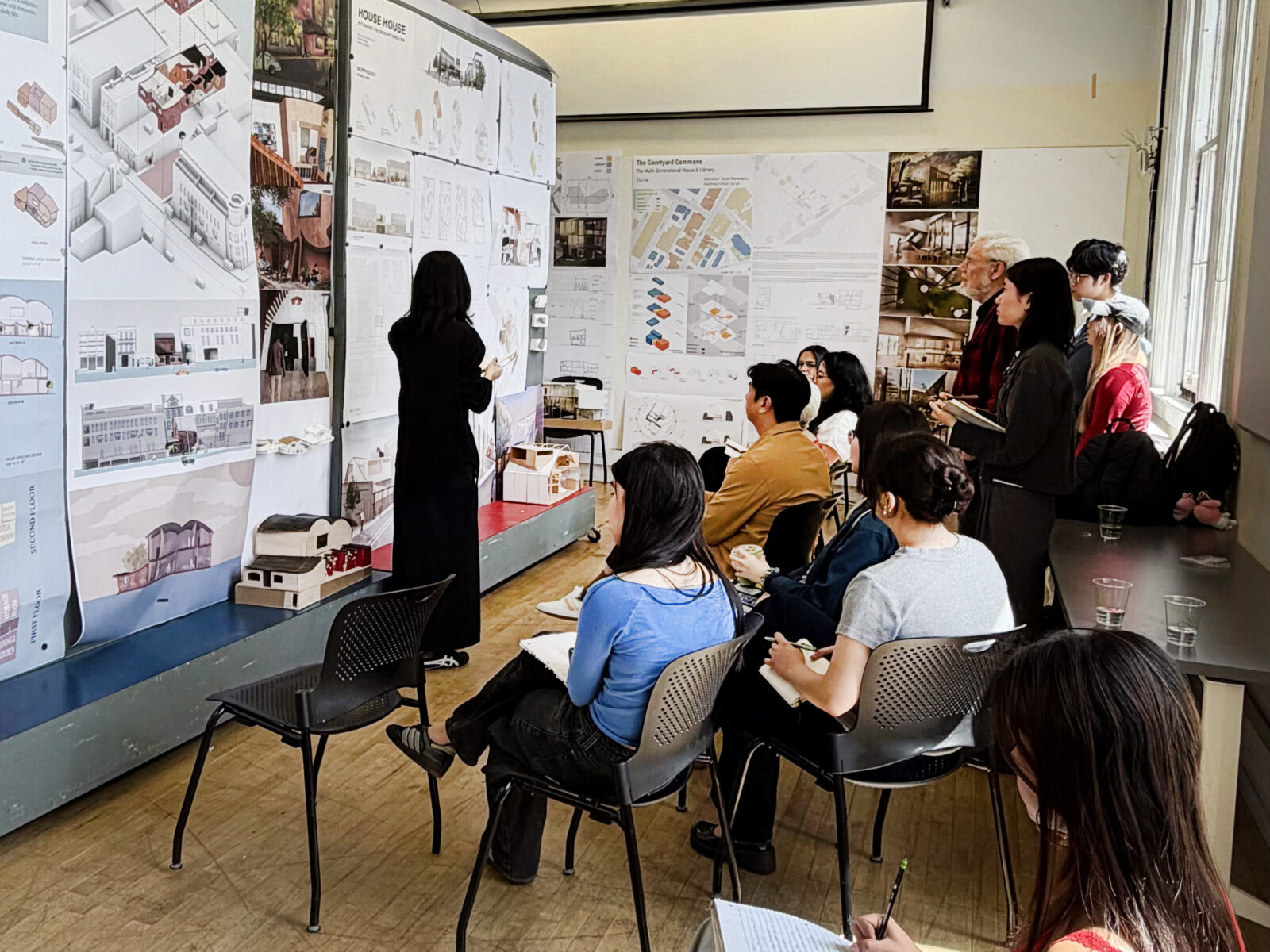
Professional work can narrow attention toward deliverables and deadlines. Architecture school reopens the wider lens. It reminds me that the profession is also about culture, public life, environment, and imagination.
A Firehose of Ideas
Every review day is an avalanche of concepts. New materials, unexpected diagrams, fresh social agendas, hybrid programs, alternative futures. Some ideas are unresolved, some impossible, some brilliant. All are useful.
Minds Less Burdened by Constraint
Students are not yet carrying the full weight of liability, fee structures, permitting schedules, and risk management. That freedom produces the thinking that our profession needs.
Jim’s experience in practice keeps one foot grounded in the realities of execution and construction, yet never limits his willingness to entertain speculative futures and uncanny student propositions. Over the past five years, Jim's involvement has helped scores of CM—A students evolve their design thinking in ways that are imaginative and innovative while remaining grounded in the realities of the profession.
Jared Abraham Special Faculty Carnegie Mellon University School of Architecture
What I See in the Future of Architecture
Spending time with students offers a preview of where architecture is headed.
Architecture schools today draw students from many countries, cultures, and backgrounds. That range of experience and diversity of perspective broadens the discipline in essential ways.
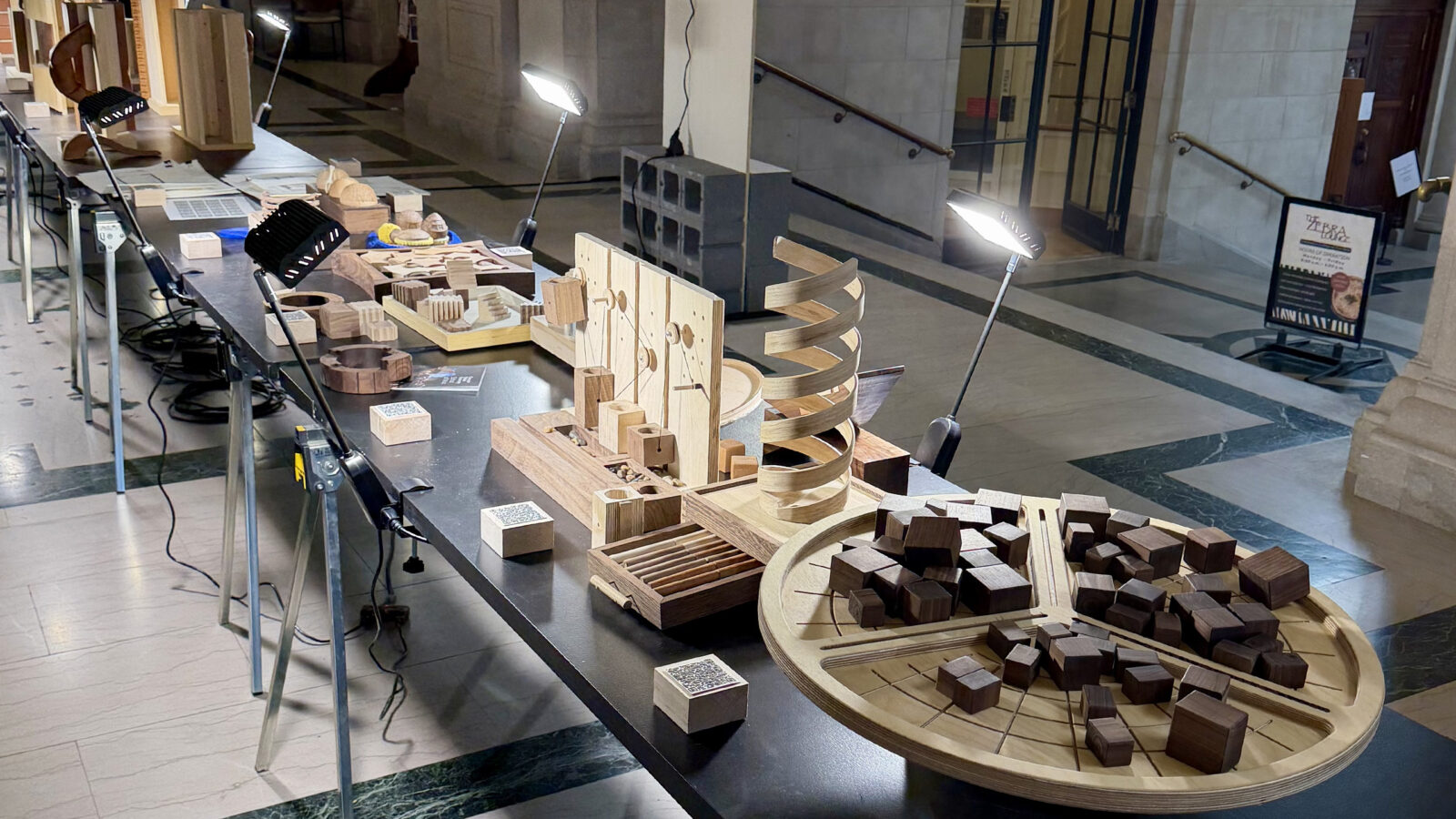
Students also increasingly understand the complexity of building tectonics: how assemblies come together, how systems interact, how performance shapes form. They are also often more digitally agile than many seasoned professionals.
This combination of global perspective and technical sophistication is promising.
The Value of Mentorship
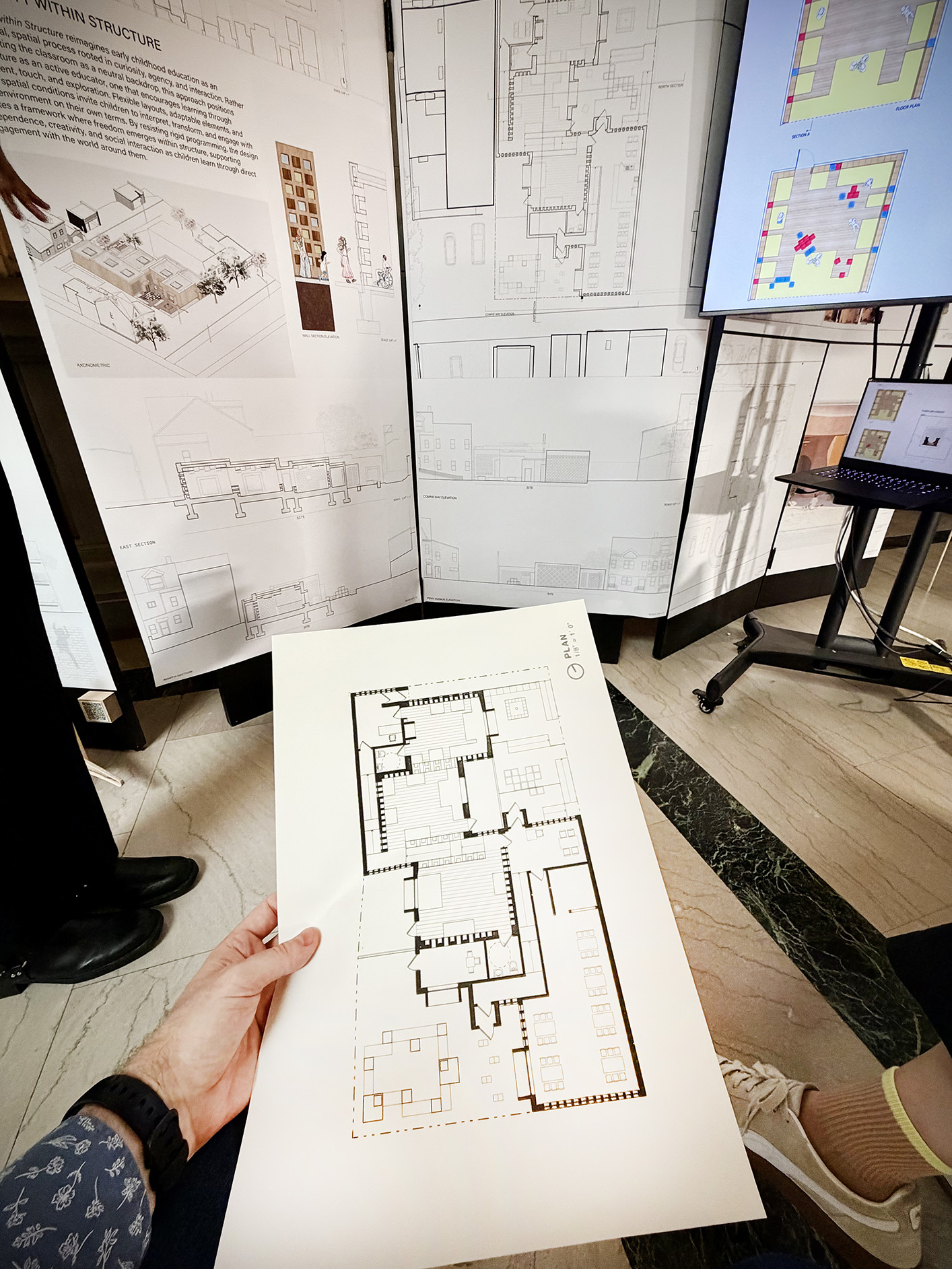
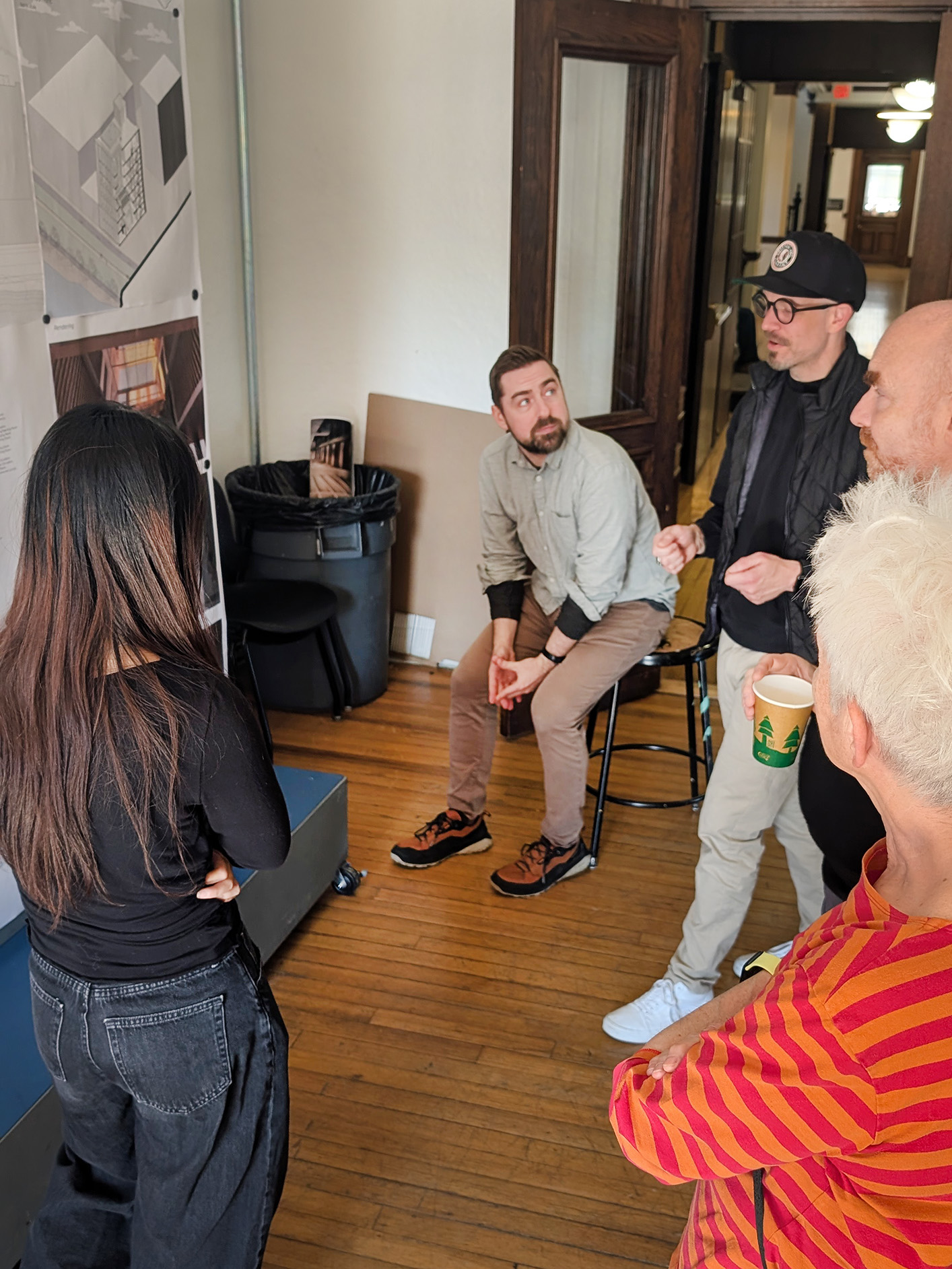
Mentorship is never one-directional. Some things that feel obvious to me are entirely new to students: how program and circulation can organize a design concept, how construction documentation standards work, how regulatory approvals shape timelines, how coordination with engineers affects every drawing set.
At the same time, students often introduce me to tools and workflows I haven’t yet explored, especially in rapidly evolving 3D modeling and visualization software.
They also remind me how meaningful collaboration is. No architect works alone. Successful projects depend on teams, including structural, mechanical, electrical, plumbing, civil, landscape, lighting, code, ownership, and construction, working in concert.
These lessons are easier to appreciate once you’ve practiced, but they begin in school.
Why I Keep Going Back
I continue returning because architecture school is one of the few places where the profession can still be surprised by itself. In the office, we refine reality. In the studio, students challenge reality. Being present for both makes me better at each.
Jim has contributed innumerable hours and expertise to the CM—A core studio sequence, Advanced Options Studios, and student portfolio development. His generosity and insight have helped students develop key skills in design thinking, creative inquiry, and methodology, while grounding each conversation in the complexities of the contemporary world we all inhabit.
Jared Abraham Special Faculty Carnegie Mellon University School of Architecture
