Experiences in Architecture School as a Practicing Architect
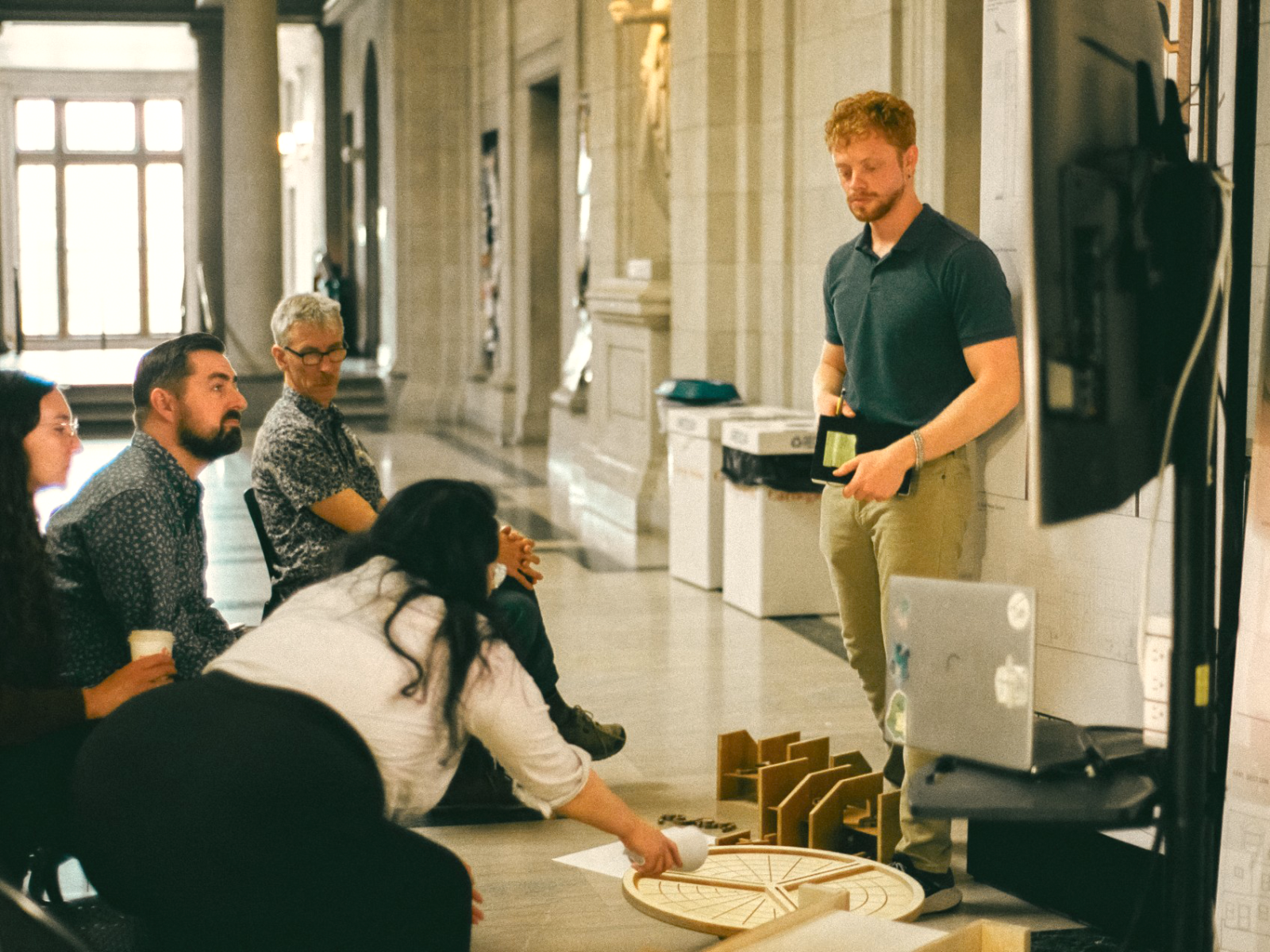
Returning to architecture school as a guest critic feels like stepping back into a familiar dream, one that is louder, messier, more ambitious, and somehow more optimistic than memory allows. My involvement first began years ago at my alma mater Catholic University of America School of Architecture (CUArch) in Washington, DC. I graduated from CUArch in 2006 and entered the architecture profession, while still returning frequently for architecture student reviews.
After 15 years of practice in DC, I moved with my family to Pittsburgh in 2021. My desire to stay involved with the academic community then evolved into regular participation with Carnegie Mellon University School of Architecture (CM-A). Over the past several years, I’ve visited each semester for midterm and final reviews, portfolio preparation sessions, and recruiting events.
Each visit reminds me that architecture school is more than simply a place where future architects learn about the craft of architecture; it’s a laboratory where that craft is constantly being reinvented.
Jim Malone has become something of a fixture within the CM—A studio environment. We first invited Jim to serve as a guest reviewer in the third-year Praxis I studio based on the recommendation of a colleague and former student. It immediately became clear that Jim possesses a unique ability to engage architecture through both practice and pedagogy.
Jared Abraham Special Faculty Carnegie Mellon University School of Architecture
Entering the Studio
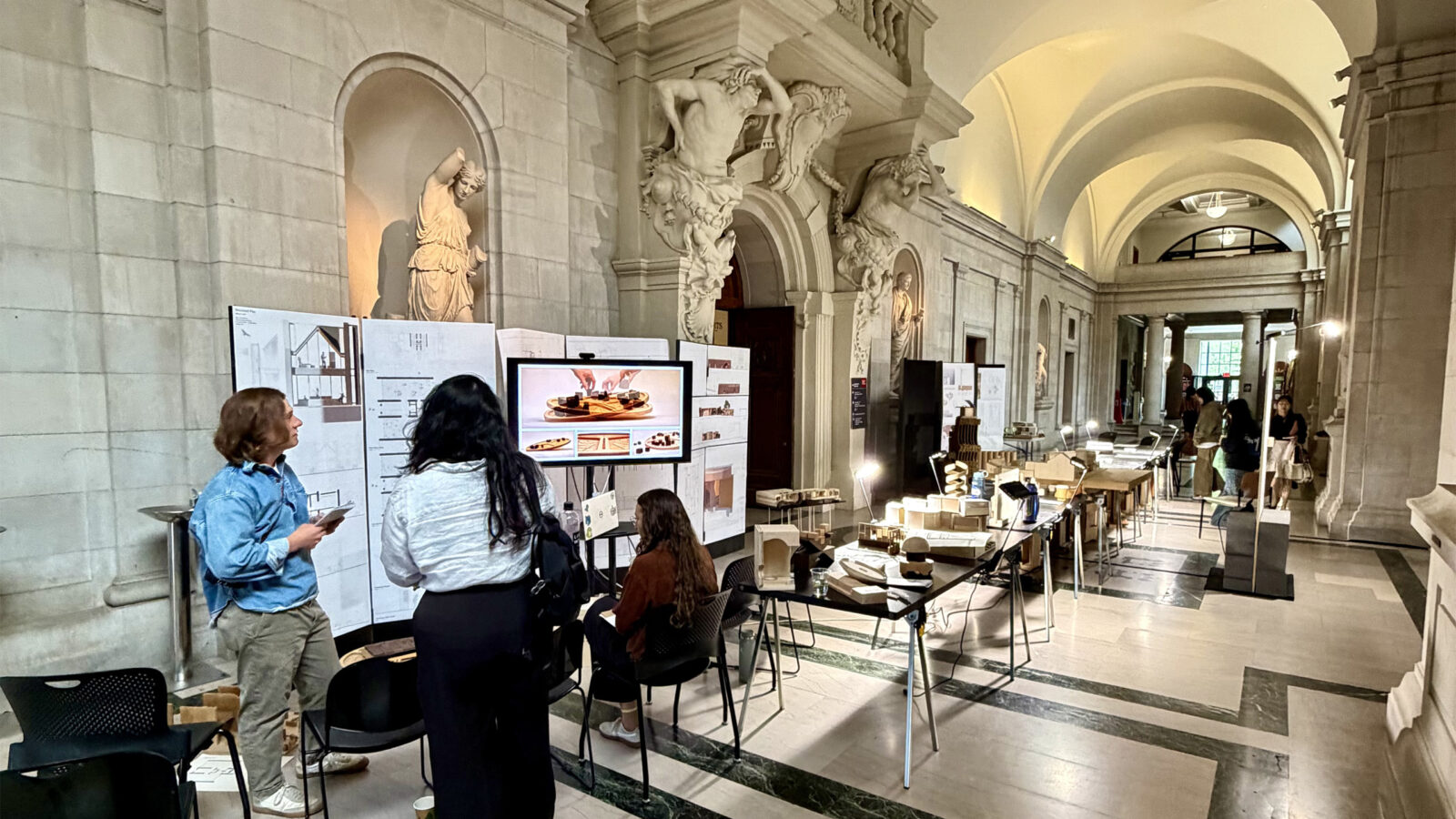
Most of my time at CM-A is spent between the school’s architecture studios in Margaret Morrison Hall and the College of Fine Arts building. The spaces in these buildings look and feel quite different than the office at Strada. In practice, our workspaces are organized, efficient, and curated. A deadline-based design business demands that drawings are coordinated, desks are cleared, and meetings run on schedules.
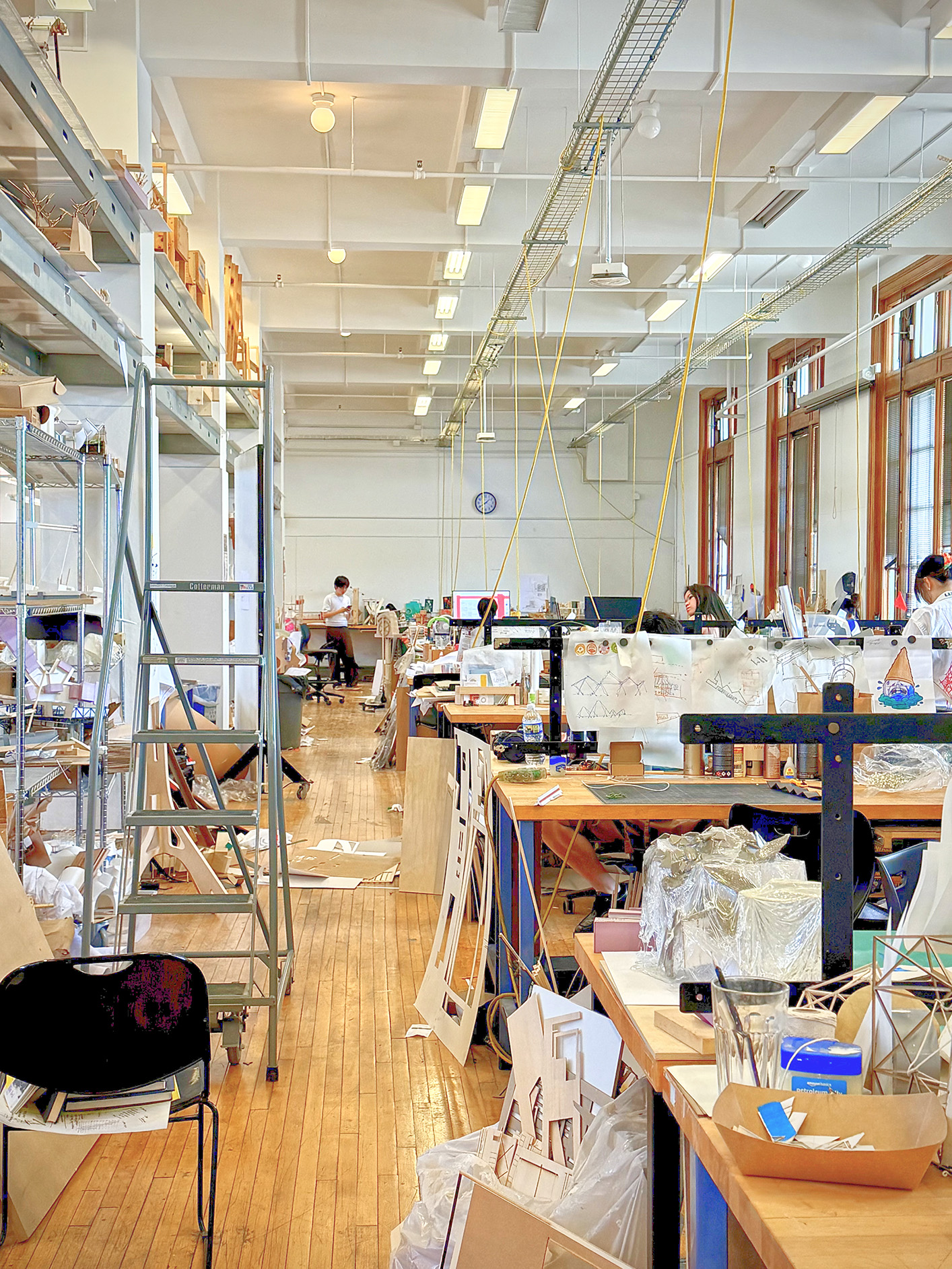
In architecture school however, the environment is something else entirely: energetic disorder. Models occupy every horizontal surface. Trace paper curls off tables. Pins, tape, cardboard scraps, laptops, coffee cups, and half-finished ideas coexist in a productive chaos. It is less controlled, but often more alive.
Architecture school activates all of the senses.
I see walls covered in drawings, diagrams, and speculative futures. I watch students present not only with words, but with posture, gestures, and the unmistakable body language of defending an idea in real time.
I smell cardboard, glue, paper, sawdust, coffee, and, occasionally fear.
I feel the warmth of the cup of matcha in my hand, folded arms as listening to a student present, fingers tapping against temple or chin while thinking through feedback, and the subtle discomfort of old lofty rooms that are either slightly too warm or slightly too cold.
I hear everything at once: echoing voices against hard surfaces, the shuffle of oversized plots, chairs scraping across the floor, pencils scratching notes, side conversations, laughter, nerves.
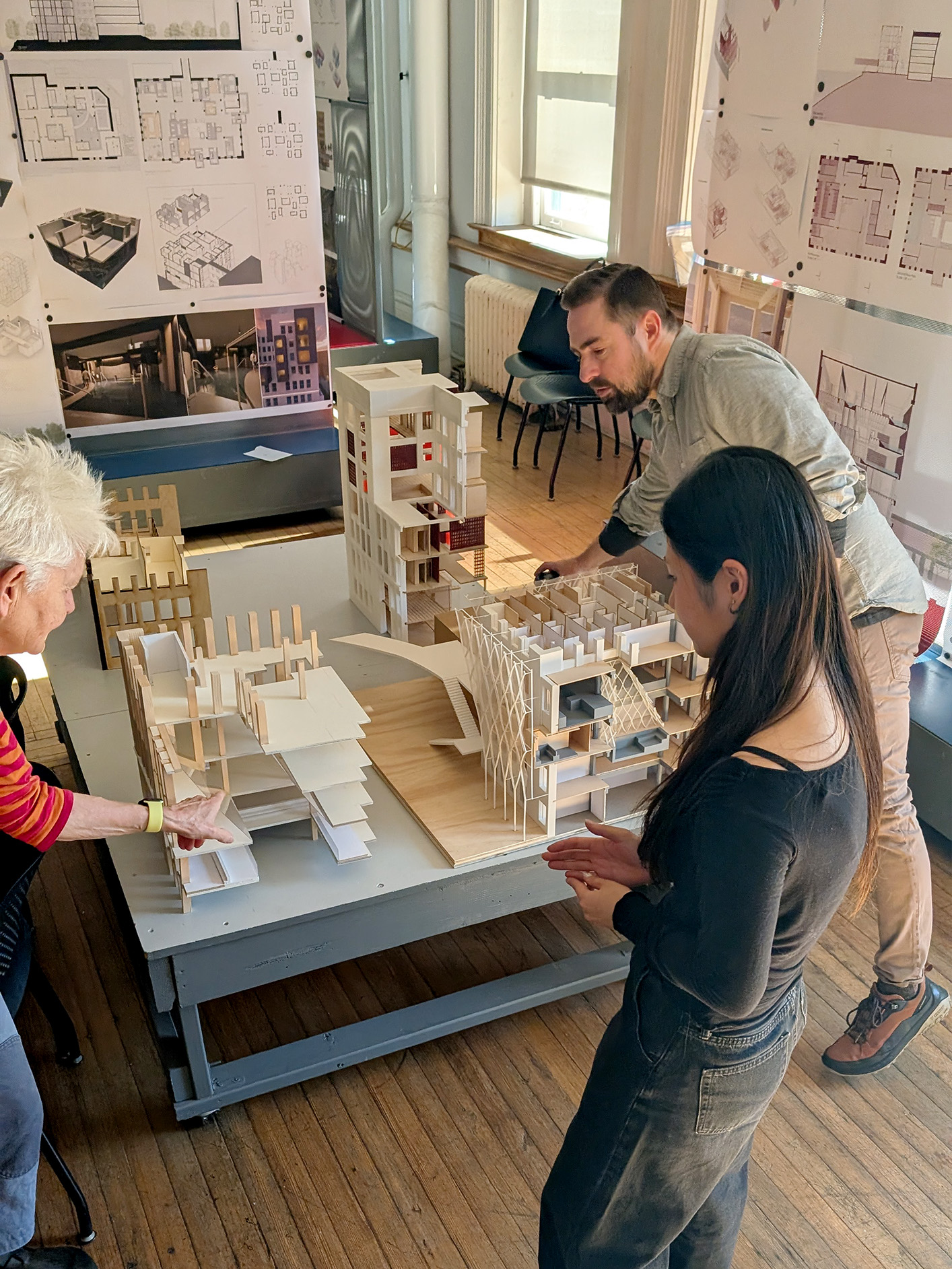
As a critic, the challenge is to balance all of it, especially sight and hearing. I do my best to process what a student is saying while simultaneously reading their drawings, models, and implied intentions displayed in front of me.
Ways I’ve Been Involved
My experiences as a guest critic at Carnegie Mellon have been spread across multiple studio levels, each with its own agenda and culture.
First- and second-year Poiesis Studio introduces the fundamentals of design through critical thinking, iterative methods, and the agency of making. These reviews are often full of the raw potential of students learning how to think spatially for the first time.
Second-year Unlikely Hybrids explores adaptive reuse by combining unexpected programs. One memorable example paired workforce housing with a civic urban bathhouse. These projects test how architecture can reconcile conflicting needs.
Third-year Praxis Studio asks students to move from theory into application. Research itself becomes the project, with students investigating how cultural, ecological, and social systems shape the identity of place.
Fourth-year Future Fictions tackles the instability of infrastructure. Students imagine alternatives to failing rigid systems, such as ecological coastal barriers that grow and adapt rather than crack and erode.
Fourth-year Structured Play explores how architecture can emerge from sensory experience, empathetic listening, and shared understanding instead of image-making alone.
Beyond studio reviews, I’ve also participated in portfolio and résumé preparation courses, helping students translate years of work into a compelling professional narrative. I’ve also joined the 2026 Interchange employer recruiting event, where the conversation shifts from ideas to careers.